
Introduction
Your gut health affects everything. Energy levels, immunity, mood, even how well you build muscle. And while probiotics get all the attention, there’s something much simpler sitting in your spice cabinet.
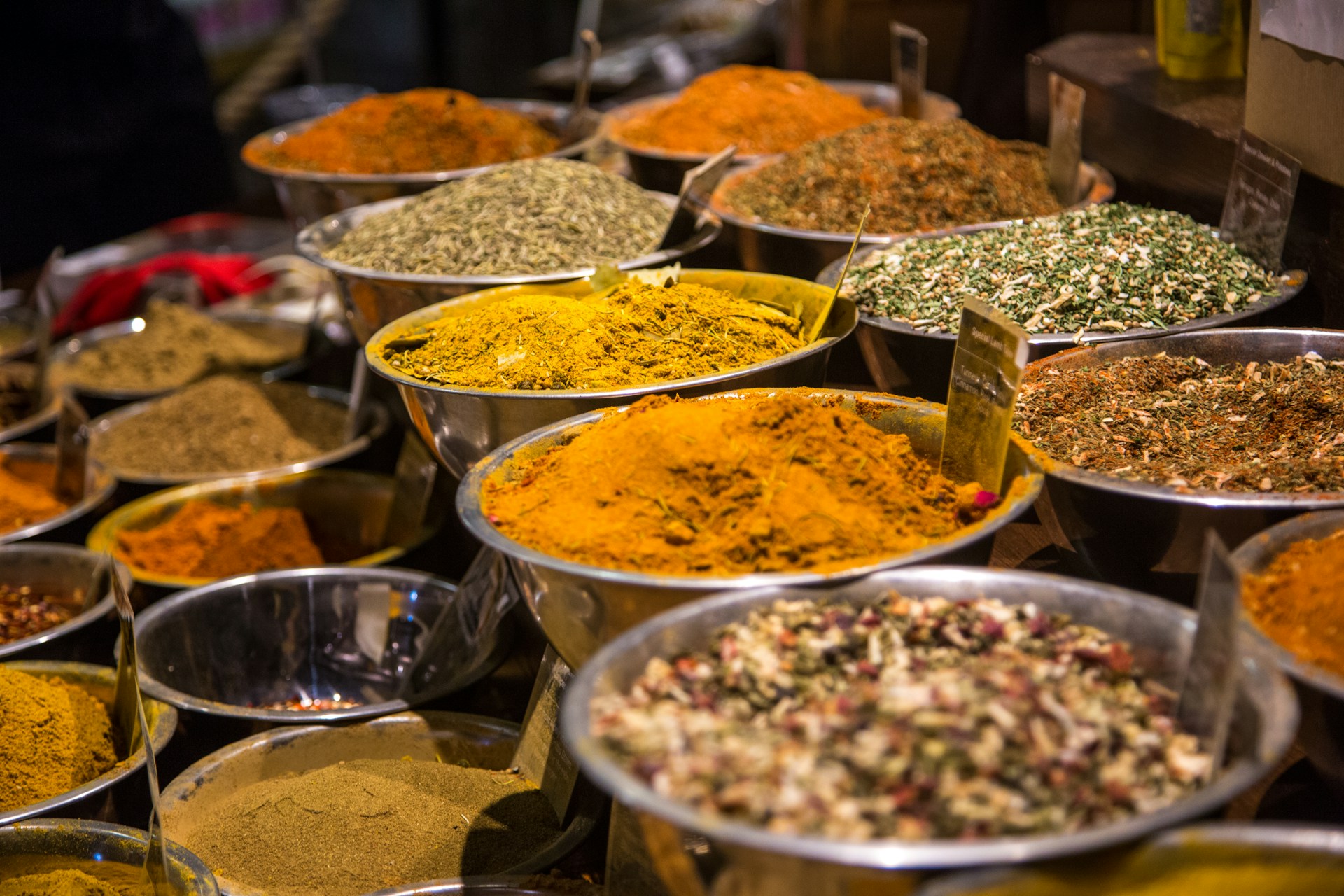
Traditional Indian spices aren’t just for flavour. They’re functional ingredients that have supported digestive health for thousands of years. Modern science is only just catching up.
Ever noticed how Indian food feels warming and easier to digest than a bland chicken and rice bowl? The spices are doing work you can’t see.
Let’s break down what’s actually happening in your gut when you eat properly spiced Indian food.
Why Gut Health Matters for Fitness Goals
Before we get into specific spices, here’s why this actually matters if you’re tracking macros or trying to build muscle.
You can eat 150g of protein daily but if your gut isn’t absorbing it properly, you’re wasting money and effort.
Your gut microbiome (the trillions of bacteria in your digestive system) influences:
- Nutrient absorption: poor gut health means poor protein utilisation
- Inflammation levels: chronic inflammation interferes with muscle recovery
- Immune function: 70% of your immune system lives in your gut
- Mental health: the gut-brain axis affects mood, stress and motivation
When your gut is healthy, you digest food efficiently, absorb nutrients effectively and recover faster. That’s the foundation for hitting your fitness goals.
Indian spices? They’re one of the easiest ways to support that foundation.
The 7 Best Indian Spices for Gut Health
1. Turmeric (Haldi): The Anti-Inflammatory Powerhouse
Turmeric contains curcumin, a compound with powerful anti-inflammatory and antioxidant properties. It helps reduce gut inflammation, supports the intestinal barrier and promotes healthy gut bacteria.
Research published in the Journal of Clinical Immunology found that curcumin can modulate gut microbiota composition and reduce inflammatory markers in the digestive tract.
How we use it:
Every curry base at THT Co. includes turmeric. It’s not just for colour. A typical serving gives you 400-500mg of turmeric, contributing to daily anti-inflammatory support.
How to use it at home:
Add half a teaspoon to scrambled eggs, roasted vegetables or lentil dal. Pair it with black pepper (which contains piperine) to increase curcumin absorption by up to 2000%.
2. Cumin (Jeera): The Digestive Catalyst
Cumin stimulates digestive enzymes and helps break down food more efficiently. It also has carminative properties, meaning it reduces gas and bloating.
Studies show cumin increases pancreatic enzyme secretion, improving digestion of proteins, fats and carbohydrates. It also has antimicrobial properties that support healthy gut flora.
Traditional use:
Ever noticed how Indian meals often start with jeera water or cumin-tempered dal? That’s deliberate. It primes your digestive system before the main meal.
How to use it at home:
Toast whole cumin seeds in a dry pan until fragrant, then grind fresh. Add to rice, vegetables or drink as jeera water (1 tsp cumin seeds boiled in water, strained and consumed warm).
3. Ginger (Adrak): The Nausea Fighter
Ginger accelerates gastric emptying (how quickly food moves from stomach to intestines), reduces nausea and has anti-inflammatory effects on the gut lining.
A study in World Journal of Gastroenterology found that ginger significantly improved symptoms of functional dyspepsia and reduced gut inflammation markers.
Why it matters for athletes:
Post-workout nausea? Ginger helps. Eating in a calorie surplus and feeling overly full? Ginger speeds digestion. Training fasted and feeling queasy? Ginger settles the stomach.
How to use it at home:
Fresh grated ginger in tea, curries or stir-fries. 1-2 inches of fresh ginger daily is the sweet spot for digestive benefits without overdoing it.
4. Coriander Seeds (Dhania): The Gut Soother
Coriander has antispasmodic properties, meaning it reduces intestinal cramping and supports smooth muscle function in the gut. It also promotes healthy bile production, essential for fat digestion.
Research shows coriander essential oil has antibacterial effects against gut pathogens and can reduce symptoms of irritable bowel syndrome (IBS).
How we use it:
Ground coriander is in nearly every THT Co. curry blend. It adds depth without heat, balancing stronger spices while supporting digestion.
How to use it at home:
Toast whole coriander seeds, grind fresh and add to curries, roasted vegetables or lentil dishes. The fresh version has more aromatic compounds than pre-ground.
5. Fennel Seeds (Saunf): The Post-Meal Digestive
Fennel reduces bloating, gas and indigestion. It’s a natural carminative and has been used for centuries as a digestive aid after meals.
Studies confirm fennel’s ability to relax the smooth muscles of the GI tract, reducing cramping and promoting healthy digestion.
Traditional use:
Ever seen a bowl of fennel seeds at an Indian restaurant exit? That’s not decoration. Chewing a small pinch after a heavy meal aids digestion and freshens breath.
How to use it at home:
Chew half a teaspoon of fennel seeds after meals or steep in hot water for fennel tea. It’s especially helpful after high-protein or high-fat meals.
6. Fenugreek (Methi): The Fibre Booster
Fenugreek seeds are high in soluble fibre, which feeds beneficial gut bacteria (acting as a prebiotic). They also help regulate blood sugar and reduce inflammation.
Research in the International Journal of Food Sciences and Nutrition found that fenugreek improved gut microbiome diversity and reduced markers of metabolic inflammation.
How we use it:
Fenugreek leaves (kasuri methi) add depth to dishes like Palak Chicken and Butter Chicken, while the seeds are used in tempering for dal.
How to use it at home:
Soak 1 tsp fenugreek seeds overnight, consume the soaked seeds with water in the morning for blood sugar support and gut health.
7. Asafoetida (Hing): The Secret Weapon for Digestion
Asafoetida is one of the most powerful carminatives in Indian cooking. It prevents gas, bloating and indigestion, especially from legumes and high-fibre foods.
Asafoetida contains compounds that inhibit the growth of harmful gut bacteria while promoting beneficial strains. It’s especially effective at reducing gas from beans and lentils.
Why you haven’t heard of it:
It smells pungent raw (like sulphur) but transforms into a savoury, umami flavour when cooked. It’s the secret ingredient that makes dal taste restaurant-quality.
How to use it at home:
Add a pinch (seriously, just a pinch) to hot oil when tempering dal, vegetables or curries. A little goes a long way.
How These Spices Work Together
The magic of Indian cuisine isn’t individual spices. It’s how they’re combined.
Take a basic dal (lentil curry):
- Turmeric: anti-inflammatory
- Cumin: enzyme stimulation
- Ginger: accelerates digestion
- Coriander: soothes the gut
- Asafoetida: prevents gas from lentils
The result? A high-protein, high-fibre meal that’s easy to digest, doesn’t cause bloating and actively supports gut health.
Compare that to plain boiled lentils with no spices. Same macros, completely different digestive experience.
The Problem with “Gut Health” Trends vs Traditional Indian Cooking
Let’s be honest. The wellness industry has turned gut health into a money-making machine.
You’re told you need:
- Expensive probiotic supplements
- Kombucha subscriptions
- Bone broth powders
- Gut health shots
But here’s what traditional Indian cooking has been doing for centuries:
- Using prebiotic-rich spices (fenugreek, cumin)
- Naturally fermented foods (homemade yoghurt, pickles)
- Warming, easy-to-digest combinations
- Anti-inflammatory ingredients in every meal
You don’t need a £40 monthly probiotic subscription. You need food that naturally supports gut health. Indian cuisine is built for that.
Why We Season Every Meal Properly at THT Co.
This is why we don’t take shortcuts on spice blends.
Some meal prep companies use:
- Generic curry powder (a Western invention, not authentic)
- Minimal spicing to cut costs
- Flavour enhancers instead of real spices
At The Healthy Tiffin Co., every dish gets:
- Whole spices toasted and ground fresh
- Proper tempering (blooming spices in oil to release compounds)
- Regional spice blends specific to each dish
It’s not just about taste. Properly spiced food is easier to digest, less inflammatory and more nutrient-dense.
When you eat our Palak Chicken or Butter Chicken, you’re getting functional ingredients that support gut health, not just hitting macros.
How to Add More Indian Spices to Your Diet
If you meal prep your own food:
Start with a basic spice blend:
- 2 tbsp ground coriander
- 1 tbsp ground cumin
- 1 tsp turmeric
- 1 tsp garam masala
- Half a teaspoon black pepper
- Mix together, store in airtight container
Add to anything:
- Scrambled eggs (half a teaspoon)
- Roasted vegetables (1 tsp per tray)
- Grilled chicken marinade (1 tbsp per 500g)
- Rice while cooking (half a teaspoon in boiling water)
Make a simple tempering:
- Heat 1 tbsp ghee or olive oil
- Add half a teaspoon cumin seeds
- Add pinch of asafoetida
- Add half a teaspoon turmeric
- Pour over cooked lentils, vegetables or rice
If you want it done for you:
Order from The Healthy Tiffin Co. Every dish is properly spiced, macro-tracked and optimised for both taste and digestive health.
No guesswork. No bland meal prep. Just authentic Indian food that fits your goals.
The Bottom Line
Gut health isn’t complicated. You don’t need expensive supplements or trendy cleanses.
You need:
- Fibre from whole foods
- Diverse plant compounds from spices
- Anti-inflammatory ingredients
- Food that’s actually easy to digest
Indian cuisine has been doing this for thousands of years. Modern science is just catching up.
When you eat properly spiced Indian food, you get:
- Better nutrient absorption
- Reduced inflammation
- Easier digestion
- Support for healthy gut bacteria
All while hitting your protein goals and eating food that actually tastes good.
Ready to Support Your Gut Health with Real Food?
Every meal at The Healthy Tiffin Co. is cooked with traditional spice blends that support digestion and gut health. Not generic curry powder or shortcuts.
Properly spiced. Macro-tracked. Delivered to your door.
Order your first week and feel the difference →
Disclaimer: This content is for informational purposes only and does not constitute medical advice. If you have a diagnosed digestive condition or are taking medication, consult your healthcare provider before making significant dietary changes.